Community
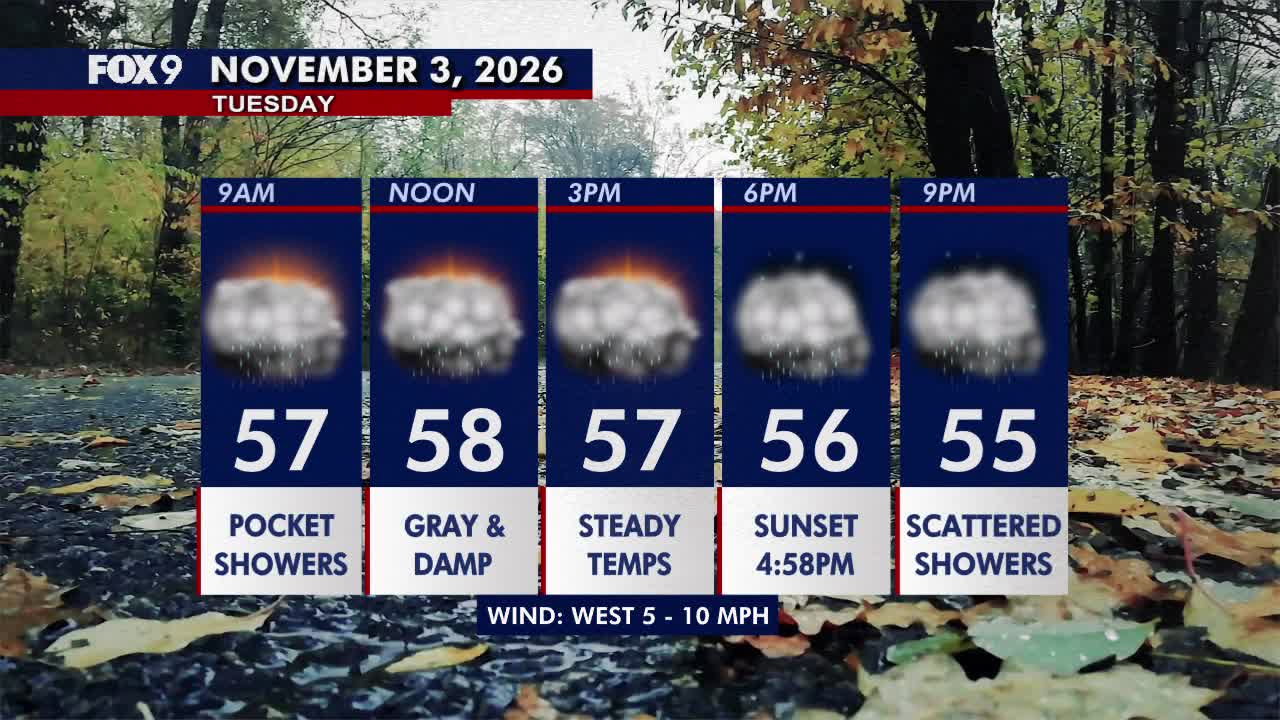
Minnesota weather: More gray with rounds of rain on Election Day
By Marcus Chen
Advertisement · Why this ad?
Katherine oversees editorial operations across all six brands. Before joining The Meridan Group, she spent 14 years at the Minneapolis Star Tribune, where she led the metro desk through its digital transformation. She holds a Master's in Journalism from Northwestern's Medill School.
More from Katherine →
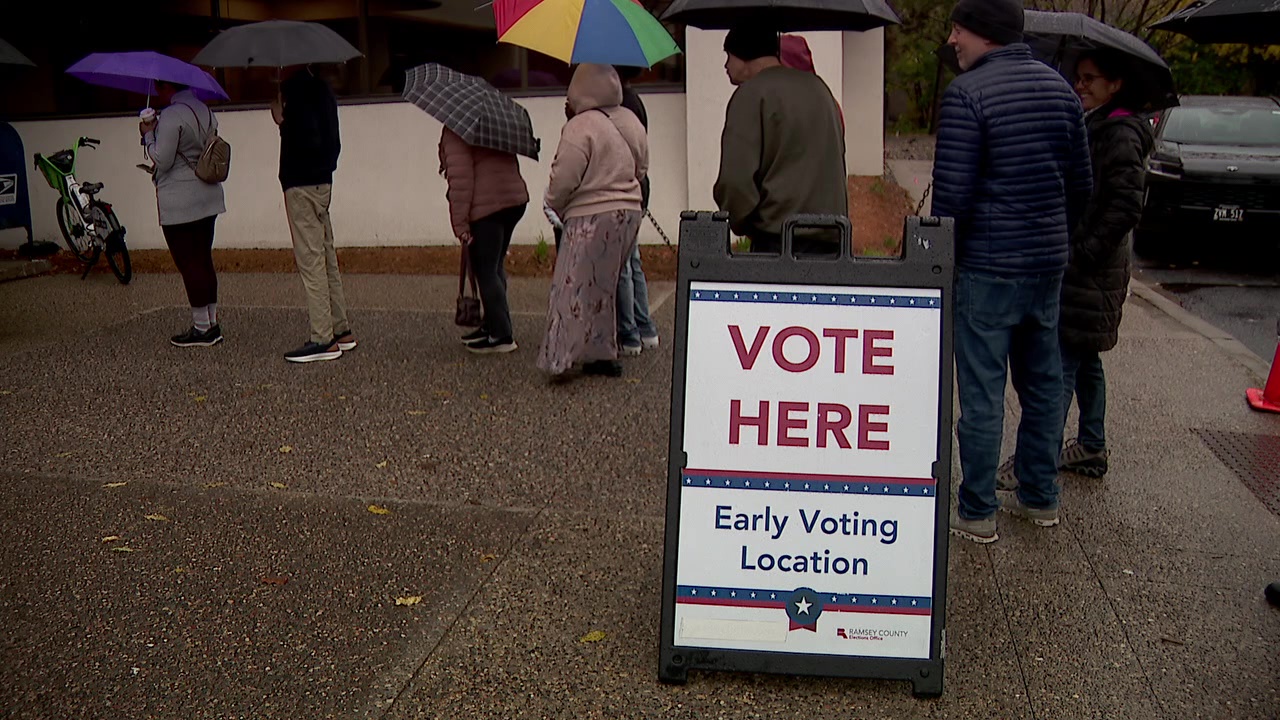
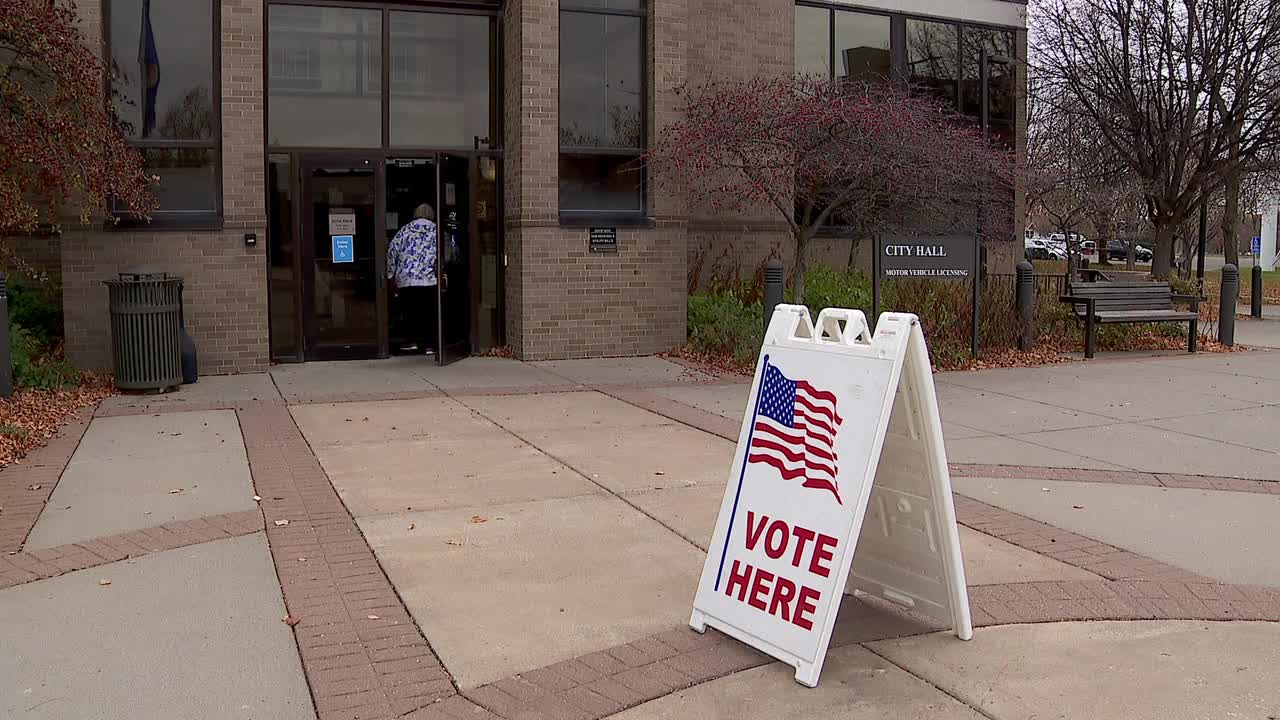
As the sun rose over Minneapolis on a crisp autumn morning, residents began lining up outside their local polling places, eager to cast their votes in the upcoming Minnesota general election. Among them was Sarah Thompson, a lifelong resident of St. Louis Park, who described voting as a sacred duty passed down from her parents. "It’s about making our voices heard and shaping the future for our children," she said, clutching her voter registration card tightly. This scene, replicated in neighborhoods across the state, underscores the importance of civic engagement as Minnesota prepares for its general election on Tuesday, November 3, 2026.
The upcoming general election in Minnesota promises to be a pivotal moment for voters, with critical races and ballot measures at stake. On November 3, Minnesotans will head to the polls to vote for key offices including the U.S. Senate, Governor, and various state and local positions. Polling places will be open from 7 a.m. to 8 p.m. on Election Day, allowing ample time for citizens to participate in the democratic process.
For those looking to vote early, Minnesota offers a range of options. Early in-person voting began on October 16, 2026, and absentee ballots became available on September 18. Voters are encouraged to familiarize themselves with the election timeline, which includes important deadlines such as the recommended absentee ballot application deadline on October 20 and the final day for early voting in person on November 2.
To help voters navigate the election process, the Minnesota Secretary of State's website provides a comprehensive overview of what to expect on the ballot, including candidate information and local measures. Voters can simply enter their address to view a sample ballot tailored to their precinct. This resource is invaluable for those wishing to educate themselves on the candidates and issues at stake.
Among the most anticipated races is the contest for Minnesota Governor, where U.S. Senator Amy Klobuchar will face off against Minnesota House Speaker Lisa Demuth. The candidates have engaged in spirited debates, discussing pressing issues such as housing affordability, healthcare costs, and public safety. These discussions are not just political rhetoric; they reflect the genuine concerns of Minnesota families who are eager for solutions that will improve their quality of life.
In addition to the gubernatorial race, voters will also decide on their U.S. Senate representatives, members of the U.S. House of Representatives, and various state offices including the Attorney General and Secretary of State. Furthermore, the ballot will include local races for county officials, city officers, school board members, and township officers, ensuring that every voter has a stake in shaping their community.
Voter turnout is expected to be significant, especially with the inclusion of a constitutional amendment and judicial seats on the ballot. These decisions will have lasting implications for Minnesota's legal framework and governance, making it all the more crucial for residents to educate themselves on the candidates and measures.
Knowing where to vote is essential for every voter. Minnesotans can easily locate their polling places by visiting the Minnesota Secretary of State's website. By entering their address, voters will receive information about their designated polling location, along with details about their precinct and districts. This resource is particularly helpful for those who may have moved recently or are voting for the first time.
On Election Day, polling places will be staffed with election officials ready to assist voters. For those who are not registered, Minnesota allows same-day registration at polling locations, provided individuals bring proof of residence. Acceptable forms of ID include a valid Minnesota driver's license, tribal ID, or any document that verifies their current address.
This flexibility is a testament to Minnesota's commitment to making voting accessible for all citizens, reinforcing the importance of participation in the electoral process.
For those unable to vote in person on Election Day, Minnesota offers robust absentee voting options. Voters can request an absentee ballot online or download a ballot application to submit to their county. Importantly, individuals do not need to be registered to vote in order to apply for an absentee ballot. If they are not yet registered, they will receive voter registration materials along with their ballot.
Election officials recommend that voters apply for absentee ballots at least two weeks before Election Day to ensure timely processing. The deadline to apply for an absentee ballot for the 2026 general election is October 20. Voters must also be mindful of returning their completed ballots, as they must be received by Election Day to count.
There are three primary methods for returning absentee ballots: by mail, in person, or through a designated individual. Voters should be aware that ballots returned by mail must be received by 8 p.m. on Election Day, and they can track their absentee ballot status through the Secretary of State's website.
As excitement builds leading up to Election Day, many residents are eager to follow the results as they come in. FOX 9 will provide live coverage of the election, including expert analysis and updates on the latest results starting at 11 a.m. on November 3. As polls close, viewers can expect to see the first results around 8:30 p.m., with complete unofficial results available by early morning on November 4.
This coverage is essential for voters who want to stay informed about the outcomes of the races that affect their lives and communities. In an age where information is at our fingertips, staying connected to reliable news sources enhances civic engagement and fosters community discussion.
As the election approaches, it is crucial for every eligible voter to understand their rights and responsibilities. Engaging in the electoral process is not only a privilege but a cornerstone of our democracy. Minnesota's commitment to accessible voting ensures that every voice can be heard, contributing to the rich tapestry of American civic life.
The upcoming 2026 general election represents more than just a series of races; it is an opportunity for Minnesota families to come together and express their values and priorities. As Sarah Thompson noted, voting is about shaping the future for the next generation. The decisions made at the ballot box will impact everything from education to public safety, influencing the lives of families across the state.
In a time when civic engagement is more crucial than ever, Minnesotans are encouraged to participate actively in the democratic process. Whether through early voting, absentee ballots, or casting their votes on Election Day, every action contributes to a vibrant democracy. The collective voice of the community is powerful, and when individuals come together to advocate for their beliefs, they can effect meaningful change.
As November 3 draws near, let us remember the importance of our civic duties and the impact our choices have on our communities. With a focus on strong families and committed values, Minnesota stands poised to shape its future through informed voting and active participation in the electoral process.
By Marcus Chen
By Katherine Langford
By Katherine Langford
By Katherine Langford